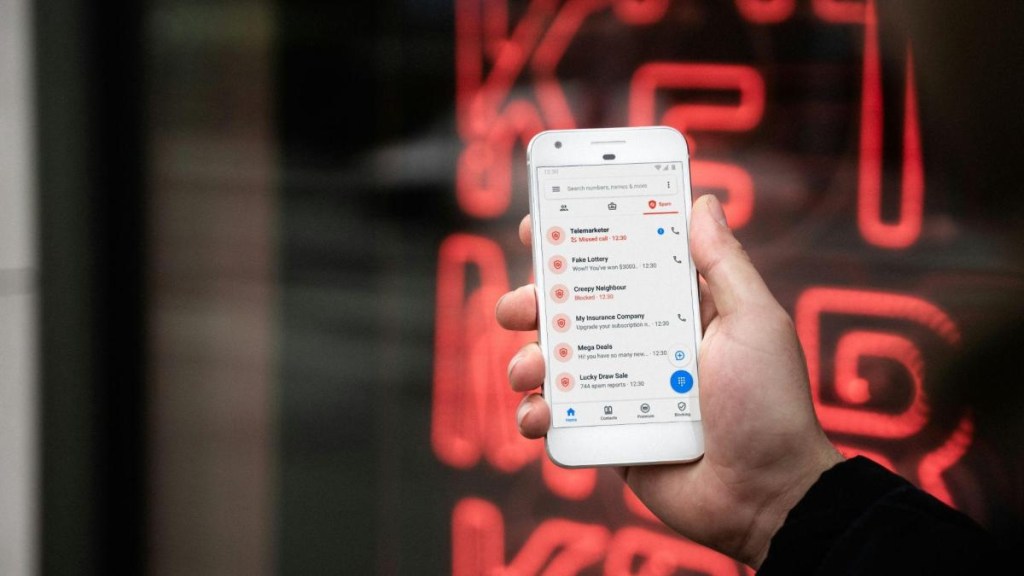
The government is planning to block not just pesky calls but also unsolicited messages via SMSes and social media platforms such as WhatsApp hard-selling any product or services.
According to new regulations in the works, a fresh algorithm is being written to run a check on phone numbers and messages to see if these are being used for marketing purposes.
As per the current norms, promotional messages need to be sent via headers and not numbers. Through the ‘do not disturb’ (DND) registry, consumers can block these. However, to bypass this, marketing agencies send such messages through phone numbers. Similarly, calls are made using different consumer phone numbers, instead of using telemarketing agency numbers which have a different series.
Officials said the algorithm will now check how many calls or messages the identified numbers have made within, say 2-3 hours. If the same runs into high double digits, they will be identified as ‘pesky’, be blocked, and penalty will be levied on the owners of these numbers.
However, such offences will not be liable for criminal prosecution, as neither the Trai Act, nor the Consumer Protection Act provide for any criminal liability for such offences.
While the initiative in this regard has been taken by the department of consumer affairs, which oversees the Consumer Protection Act, the implementation of the same will be done by the Telecom Regulatory Authority of India (Trai). A joint discussion on such measures was carried out in a series of meetings, officials said. While checking spam calls falls under Trai’s jurisdiction, the CPA comes into play as such calls are also seen as unfair trade practices, which mislead consumers.
Once the new guidelines are issued and implemented, it would be the first time that banks, fintech companies, real estate developers, and others, will be directly held liable for such spam communication as these entities outsource their promotional sales to third-party agencies.
As per the draft guidelines, business communication has been defined as communication related to any goods or services, including any transaction or service communication, but excluding personal communication. It may be in the form of voice calls, SMS and instant messaging, including through social media platforms.
The guidelines will be applicable to all persons or establishments that make or cause to make the business communication, know as maker; that engages the maker of such communication; that would be intended beneficiary from such communication; and in whose name such communication was made by the maker.
The guidelines are also expected to prescribe a uniform number series such as 111 for all communication made by government bodies.
An inter-ministerial/departmental communication channel is expected to be put in place to avoid any overlap of jurisdictions. Also, there will be inter-departmental platforms to engage with consumers and make them aware of the existing and upcoming regulations and laws.
Till now, Trai under the the Telecom Commercial Communications Customer Preference Regulations (TCCCPR) was trying to control the menace by putting the onus on telecom service providers to ensure that any commercial communication using its network only takes place using registered headers assigned to the senders for the purpose of commercial communication.
It recently issued directions for a Digital Consent Acquisition (DCA) facility to create a unified platform for telecom subscribers to register their consent digitally for receiving commercial communications from various entities. As part of this, banks, insurance companies, etc, will have to seek consent from their subscribers, which will be verified by telecom companies, before sending any commercial communication.
According to a recent survey by community social media platform LocalCircles, 60% of mobile subscribers get three or more spam calls on an average every day. Most unwanted calls are related to financial services and real estate.
The survey said 54% of respondents are receiving pesky calls from companies such as Bajaj Finance, HDFC Bank, HDFC Life Insurance, IDFC First Bank, among others, while 22% are getting calls from companies selling real estate.